
The Biggest Renovation Mistakes That Actually Hurt Your Sale Price

Most sellers renovate to add value. Fewer realise that the wrong renovation, or the right renovation done the wrong way, can actually cost them money at settlement. Buyers don't just respond to "renovated" or "not renovated." They respond to whether a renovation feels considered, finished, and suited to the property. Get that wrong, and you can spend tens of thousands of dollars and still watch your sale price disappoint.
Here are the mistakes that show up again and again, and how to avoid them.
1. Over-Capitalising for the Suburb
This is the single most common and most expensive mistake. A $100,000 kitchen looks fantastic, but if every other home on your street is selling in a price bracket that doesn't support it, you won't get that money back. Buyers shop by suburb and price point first, then by finishes. If your renovation pushes your home well above what comparable properties nearby are achieving, you're effectively subsidising the next buyer's dream kitchen.
The fix: Check recent comparable sales in your suburb before you spend a dollar, and set a renovation budget that matches what similar renovated homes are actually selling for, not what you'd love to have yourself.
2. Renovating for Your Taste, Not the Buyer's
A bold feature wall, a heavily patterned splashback, or a statement colour scheme might feel like "you," but a home that reads as deeply personal makes it harder for buyers to picture themselves living there. The renovations that add the most value are usually the least personality-driven: neutral palettes, timeless finishes, and layouts that stay flexible.
The fix: Save the bold choices for a home you're not selling. For a renovation ahead of sale, favour finishes buyers have seen before and already understand the value of.
3. Ignoring the Layout for the Sake of Finishes
New benchtops and fresh paint won't fix a bathroom with an awkward door swing or a kitchen that's cut off from the living space. Buyers notice flow, even if they can't always articulate why a home feels off. Cosmetic upgrades on top of a poor layout tend to disappoint at inspection, because the finishes photograph well but the walkthrough doesn't feel right.
The fix: If layout is genuinely holding the property back, a modest structural change (like removing a non-load-bearing wall to open up a kitchen) often adds more value than an expensive cosmetic-only upgrade.
4. Mismatched Quality Across the Home
A stunning new kitchen next to a dated, unrenovated bathroom doesn't average out to "half renovated" in a buyer's mind. It reads as unfinished, and unfinished makes buyers nervous about what else hasn't been done. Inconsistent quality between rooms can actually hurt perceived value more than doing nothing at all.
The fix: If budget is limited, spread it across the areas buyers scrutinise most (kitchen, bathroom, main living areas) at a consistent standard, rather than doing one showpiece room and neglecting the rest.
5. Skipping Council Approvals and Compliance
Unpermitted structural work, illegal room conversions, or non-compliant electrical and plumbing can turn a beautifully renovated home into a legal headache at settlement. Buyers' solicitors and building inspectors will often catch these issues, and once they do, it becomes a negotiating point that works against you, sometimes derailing the sale entirely.
The fix: Any structural, electrical, or plumbing work should go through the proper approvals. It costs more upfront but protects the sale price you're trying to achieve.
6. Trendy Choices That Date Quickly
Highly specific design trends, whether it's a particular tile pattern, a statement tapware finish, or an of-the-moment colour, can make a renovation look dated within a few years rather than adding lasting value. What felt fresh during the renovation can feel like a red flag to a buyer viewing the home a few years later, especially if it's already showing wear.
The fix: Choose finishes with a longer shelf life for anything structural or expensive to change (flooring, cabinetry, tiling). Save trend-driven choices for easily replaceable items like paint, hardware, or soft furnishings.
7. DIY Work That Doesn't Hold Up to Inspection
A confident DIY renovation can look great in photos and fall apart under a building inspector's eye. Uneven tiling, non-standard electrical work, or corners cut on waterproofing are common findings that spook buyers or give them leverage to negotiate the price down after the fact.
The fix: DIY is fine for cosmetic work like painting or landscaping. For anything involving structure, water, or electricity, a licensed tradesperson isn't just about quality, it's about the sale surviving due diligence.
8. Renovating Everything Instead of What Matters
Not every room needs attention before you sell. Bedrooms with fresh paint and good natural light rarely need major work. Spending heavily on rooms buyers weight less (a fourth bedroom, a home office) while neglecting the kitchen and bathroom, which buyers weight most, is a common way to overspend without moving the needle on price.
The fix: Prioritise the rooms that influence buyer decisions most: kitchen, bathrooms, main living areas, and street appeal. Everything else just needs to be clean, tidy, and functional.
9. Not Checking the Numbers Before You Start
The mistake underneath all the others is starting a renovation without first estimating whether it will actually pay for itself. It's easy to assume a renovation will "obviously" add value, but the gap between renovation cost and added sale price varies enormously by room, by suburb, and by the specific work being done.
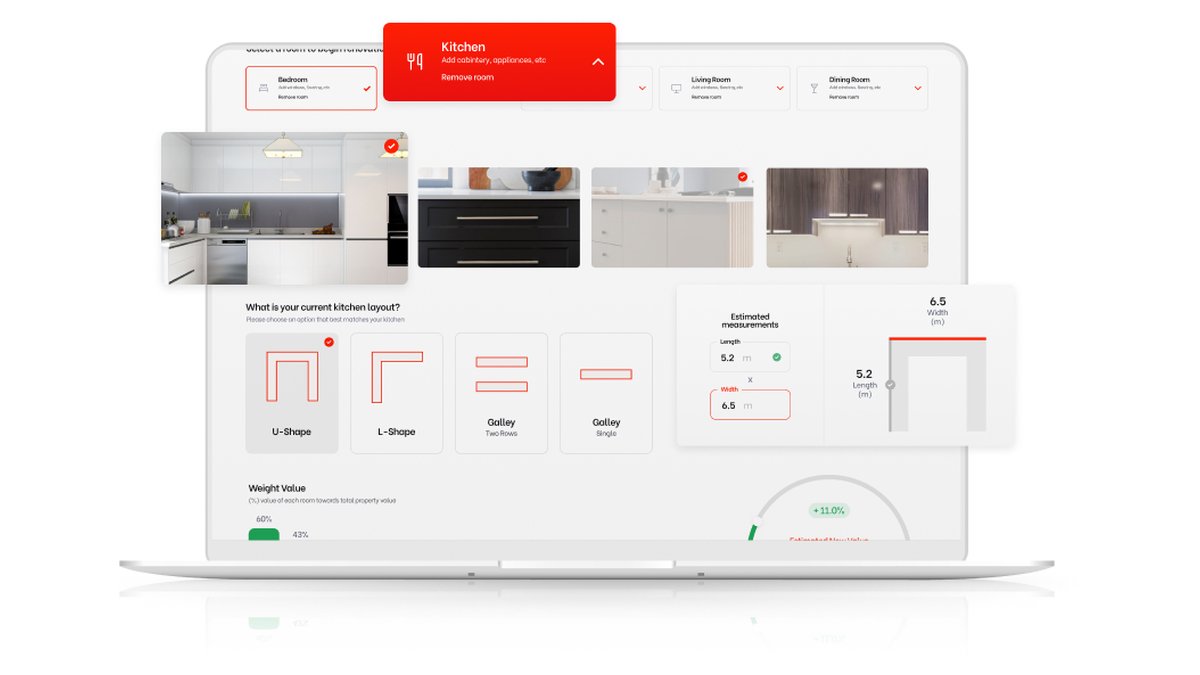
The fix: Before committing a budget, model the likely return for your specific property and suburb. Renosell's estimator lets you test different renovation scenarios against your actual property and see the projected impact on sale value, so you can make the call with numbers instead of assumptions.
The Bottom Line
Renovation mistakes rarely come from doing too little. They come from spending in the wrong places, at the wrong standard, for the wrong buyer. The sellers who get the best return aren't necessarily the ones who spend the most. They're the ones who spend deliberately, on the things buyers in their specific market actually value.
Before you pick up a paintbrush or call a tradie, it's worth finding out what your renovation dollars will really be worth at sale. Run your property through Renosell's estimator to see where your money will make the biggest difference, and where it won't.