
Pre-Sale Renovation Checklist: What Sydney Vendors Need to Assess Before Listing
What should you check before a pre-sale renovation?
- Walk every room with a buyer's eye, not an owner's. What you've lived with for years is what buyers use to negotiate you down.
- The highest-priority items are kitchens, bathrooms, paint, flooring, and kerb appeal. Everything else is secondary.
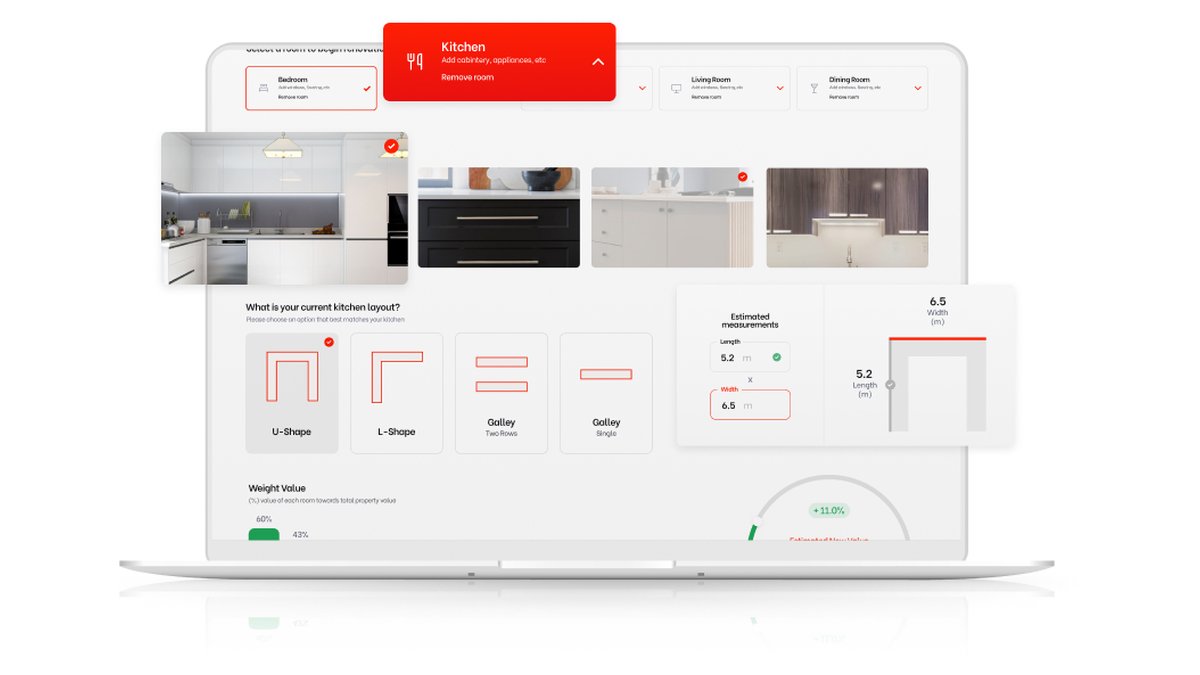
- Renosell can assess the property for free and tell you exactly what is worth doing and what to leave alone.
Most vendors spend weeks deciding whether to renovate. The ones who get the best result at auction spend that time walking the property room by room, working out exactly what buyers will see, object to, and use to chip the price.
This checklist is for that second group. It covers every area of a property you should assess before committing to any renovation scope: what to look for, what matters to Sydney buyers right now, and what you can confidently leave alone. Use it before you call anyone, including Renosell.
Read more: Whether it is worth renovating at all.
How to Walk Your Property Like a Buyer
Before assessing individual rooms, walk the property from the street as if you have never seen it before — that is exactly what every buyer will do.
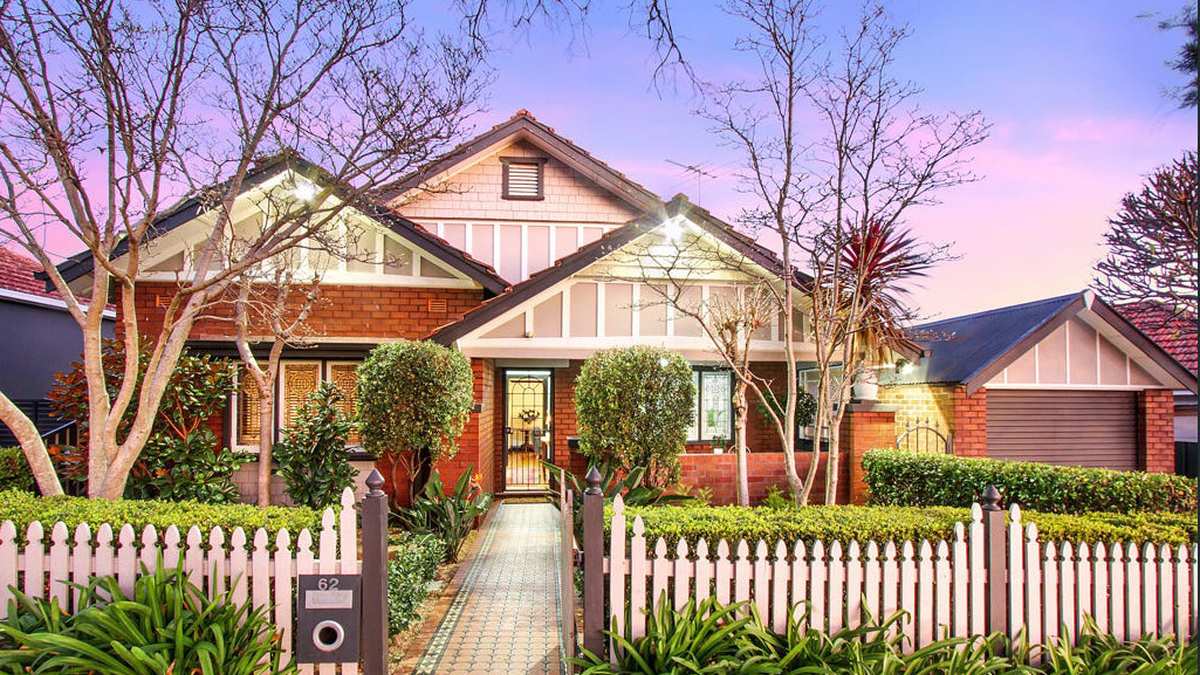
Start at the kerb. Stand where the listing photos will be taken. Look at the facade, the fence, the front garden, the path to the front door. Buyers form their emotional impression in the first ten seconds before they step inside. That impression is what they carry through every room.
Then enter the property and move through it in the order a buyer would during an open home: entry, living, kitchen, dining, main bedroom, secondary bedrooms, bathrooms, laundry, outdoor area. At each point, ask one question: what would a buyer who has just seen three other properties this weekend think of this?
Write it down. Separate what you can fix cheaply (paint, cleaning, minor repairs) from what requires a trade (tiling, cabinetry, flooring, plumbing). That list is the starting point for your renovation scope.
Kitchen Checklist: What to Assess Before Renovating
The kitchen is the room most likely to determine whether a buyer bids at your price point or below it. Check each of the following:
- Cabinet doors and drawer fronts. Peeling laminate, warped timber, or dated colours are the first thing buyers notice. Resurfacing or replacing doors is far cheaper than a full kitchen rip-out.
- Bench tops. Scratched laminate or cracked stone reads as neglect. Reconstituted stone bench tops can be swapped in a day and cost a fraction of a full rebuild.
- Splashback. Dated tiles or stained grout lines are highly visible in listing photos. Replacing a splashback is a one-day job with a strong visual return.
- Appliances. Non-functioning appliances must go. Visually mismatched appliances (stainless rangehood, white oven) are worth standardising if the budget allows.
- Tap and sink condition. Stained basins and corroded tapware are inexpensive to replace and flag well above their cost in buyer perception.
If the kitchen scores poorly across most of these points, a full cosmetic refresh — doors, bench top, splashback, handles, tapware — is almost always the right call. If only one or two items are the problem, fix those specifically.
Bathroom Checklist: What Buyers Will Notice First
Bathrooms are the second most scrutinised room at an open home and the one most likely to trigger a low offer if the condition is poor. Work through this:
- Grout lines. Discoloured, cracked, or mouldy grout is the single most common reason a bathroom reads as old beyond its years. Regrouting is cheap and transforms the space.
- Shower screen. Cloudy glass, corroded frames, or a missing screen is a red flag. A frameless glass screen is a straightforward upgrade that modernises any bathroom immediately.
- Vanity and tapware. A new wall-hung vanity and matching brushed nickel tapware costs $1,500–$3,000 and updates the entire room in a day.
- Tiles. Original 1980s tiles are not automatically a problem — clean, well-grouted tiles in good condition are acceptable. Cracked, stained, or heavily dated tiles need to go.
- Ventilation. A bathroom that smells damp or shows signs of condensation damage signals maintenance problems. Fix the exhaust fan before any cosmetic work.
A full bathroom rip-out is rarely necessary for mid-market Sydney properties. A targeted cosmetic update on the above items, done well, achieves the same buyer response for significantly less money.
Paint and Walls Checklist: The Fastest Visual Reset
Fresh interior paint is the single highest-return renovation per dollar spent before selling. Before committing to a full repaint, assess the following:
- Scuffs, marks, and handprints. These are everywhere in a lived-in home and buyers notice all of them. A full interior repaint removes every one in a single scope.
- Colour scheme. Bold feature walls, dated heritage tones, or highly personalised colours narrow your buyer pool. Neutral warm whites (Dulux Vivid White, Antique White USA) work across all demographics and photograph well.
- Ceilings. Yellowed or water-stained ceilings immediately signal age or a leak history. Ceiling paint is fast and cheap — always include it in a full repaint.
- Trims and skirtings. Chipped or yellowed skirtings undermine a freshly painted room. Include all trims in the repaint scope.
- Exterior paint. If the exterior looks tired in photos, your online listing suffers before a single buyer walks through the door. A freshly painted facade increases enquiry rates consistently.
Flooring Checklist: What Buyers Walk on Matters
Flooring is one of the most visible conditions in a property and one buyers factor directly into their post-purchase cost estimate.
- Carpet condition. Stained, worn, or odour-affected carpet is a deal-breaker for many buyers. Replacing it with hybrid timber flooring costs $40–$80 per sqm installed and consistently outperforms carpet in buyer perception.
- Timber floor condition. Scratched or worn timber can often be polished rather than replaced. Get a polishing quote before assuming a full replacement is needed.
- Tile condition. Cracked tiles anywhere in the property — including laundry and outdoor areas — read as neglect. Replacing individual tiles is cheap; catching damage early avoids a full floor replacement.
- Consistency. Mixed flooring across open-plan living areas (carpet in dining, tiles in living) breaks up the visual flow and makes a property feel smaller. A consistent hybrid timber floor unifies the space.
Kerb Appeal Checklist: What Buyers See Before They Walk In
Kerb appeal sets the emotional tone for the entire inspection and it is often the cheapest area to improve.
- Front fence. A tired or rusted fence drags the facade down. Painting or replacing a front fence is a one-day job with strong visual impact.
- Garden beds and lawn. Overgrown beds and patchy lawn cost very little to fix. Clean edges, fresh mulch, and a mowed lawn are the minimum. Buyers who see a tidy front garden assume the property has been maintained.
- Driveway and path. A high-pressure wash of the driveway, path, and front steps removes years of grime for under $300. This is the highest-ROI single item on this checklist.
- Front door. A freshly painted front door and new door hardware changes the entire first impression for under $200. It is also the first element in every listing photo.
- Letterbox and house numbers. A rusted letterbox and faded house numbers signal the property has not been looked after. Both cost under $100 to replace.
What You Can Skip: Items That Rarely Return Their Cost
Not everything on a pre-sale property assessment is worth acting on. These items almost never pay their cost back at auction:
- Swimming pools. Adding a pool before a sale costs $60,000–$100,000 and most Sydney buyers in the sub-$2M market view pools as a maintenance liability, not an asset.
- Room additions and structural extensions. DA approval alone takes months. Construction cost is rarely returned in full at auction, particularly where comparable sales set a defined suburb ceiling.
- HVAC upgrades beyond what the suburb expects. Buyers expect working air conditioning. They do not pay a premium for a specific brand or a newer system than the one currently installed.
- Smart home technology. Automated blinds, smart lighting, and home automation add cost that buyers in most Sydney suburbs do not factor into their offer price.
- Luxury kitchen appliances. A $6,000 range in a $900k property does not close the gap. Buyers at that price point do not expect it and will not pay for it.
The discipline of a good pre-sale renovation is knowing what to stop doing as clearly as knowing what to start. Renosell's assessment process is specifically designed to identify the line between a renovation that pays and one that does not.
Read more: Renosell's pre-sale renovation service.
Frequently Asked Questions
Get Your Property Assessed Before You Commit to Any Renovation
Renosell's free property assessment tells you exactly what to renovate, what it will cost, and what your property could realistically sell for. No obligation. No upfront cost. No guesswork.
Book a Free Assessment